Capacity and fit
We group pots by volume, from mini 2 quart servers to large 8 quart batch cookers. This helps you match the pot to your family size or recipe volume.
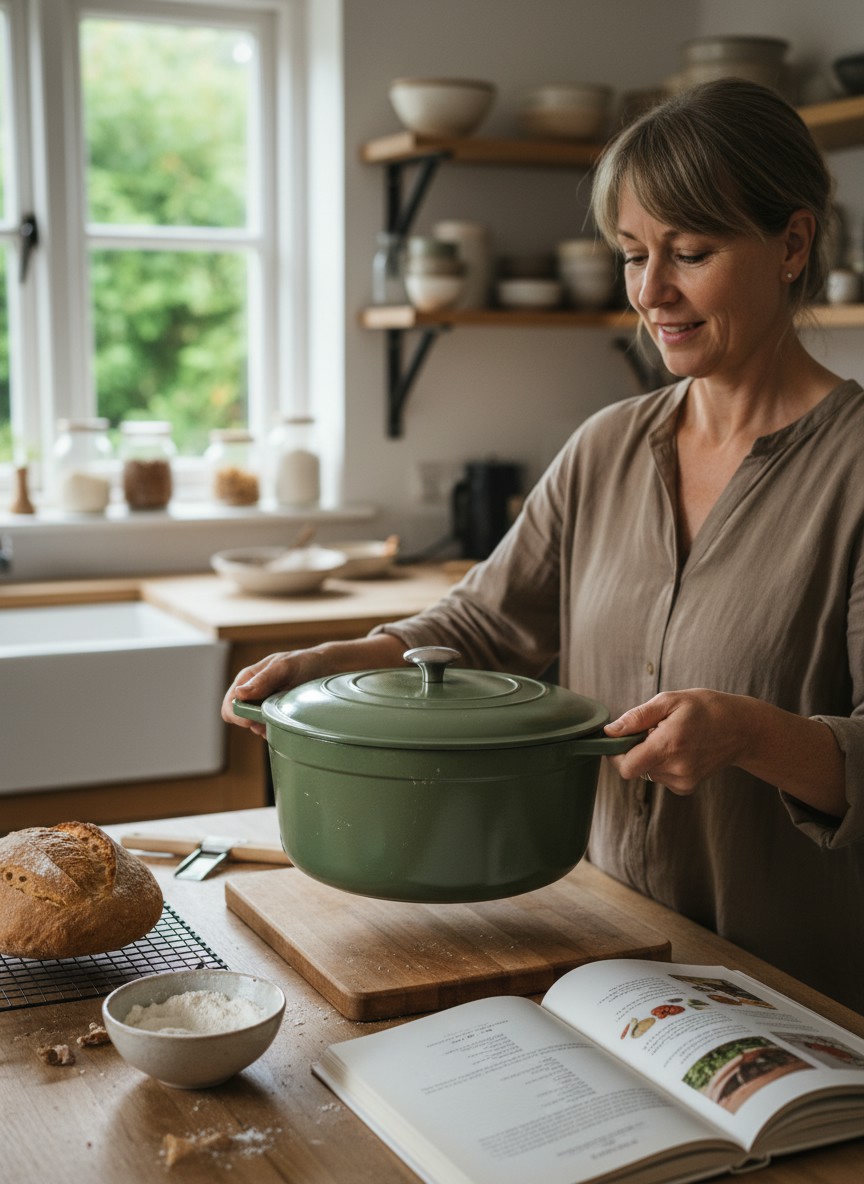
Finding the right Dutch oven depends on your stove type and what you plan to cook. This guide explains the differences in size, material, and lid design found in this catalog.
We sort Dutch ovens by material, capacity, and specific cooking use. This set focuses on practical specs like quart size and heat compatibility.
We group pots by volume, from mini 2 quart servers to large 8 quart batch cookers. This helps you match the pot to your family size or recipe volume.
These listings distinguish between pre-seasoned raw iron for high-heat camping and enameled coatings for easy cleaning and acidic stews.
We tag pots based on their design, such as self-basting lids for roasting or tight-sealing lids for sourdough bread baking.
Dutch ovens are measured by volume. Small 2 quart to 4 quart pots work well for side dishes or small meals. The 5 quart and 6 quart sizes are the most versatile for stews and bread, while 8 quart pots are built for large batch cooking.
Enameled cast iron is popular for indoor use because it resists rust and does not need special oiling. Raw pre-seasoned iron is better for camping or searing at very high temperatures where enamel might chip.
Round pots fit most stove burners evenly. Oval pots are better for long cuts of meat or poultry. Dual handles are important for safety, as these pots are heavy-duty and can weigh over 15 lbs when full.
A collection is a short cut into the catalog
Heavy-duty pots with a smooth porcelain coating for easy cleaning and no seasoning required
Pots designed to trap steam and maintain high heat for sourdough and crusty loaves
Heavy-lidded pots that keep moisture inside for slow-cooking meats until tender
Durable cookware built to handle high oven temperatures for poultry and meats
Thick-walled pots built for maximum heat retention and long-term use
Deep pots with plenty of room for simmering hearty soups, chilis, and liquids
The classic circular shape made for even heating on standard stovetop burners
The standard size for baking sourdough bread and cooking for a typical family
Large capacity pots for batch cooking, meal prep, and big family roasts
Cookware with coated interiors for easy food release and fast cleanup
Traditional raw iron pots treated with oil for a natural finish and outdoor durability
The lower-priced listings in this catalog